War of Narration in Indonesia on the US-Iran Conflict
In a society that mostly has antipathy towards American involvement abroad, I will examine how mass and social media in Indonesia react to the US-Iran…
Opini Sipil
In a society that mostly has antipathy towards American involvement abroad, I will examine how mass and social media in Indonesia react to the US-Iran war.
In the current war between American-Israeli forces against the Iranians, once again, it is not fought between conventional air fights alone. Both Iranians and American-Israelis had decided to expand the war into public consciousness around the world, which created confusion in the media all around the world. One of those countries that are affected by this ‘war of narration’ was Indonesia, which has the largest Muslim population.
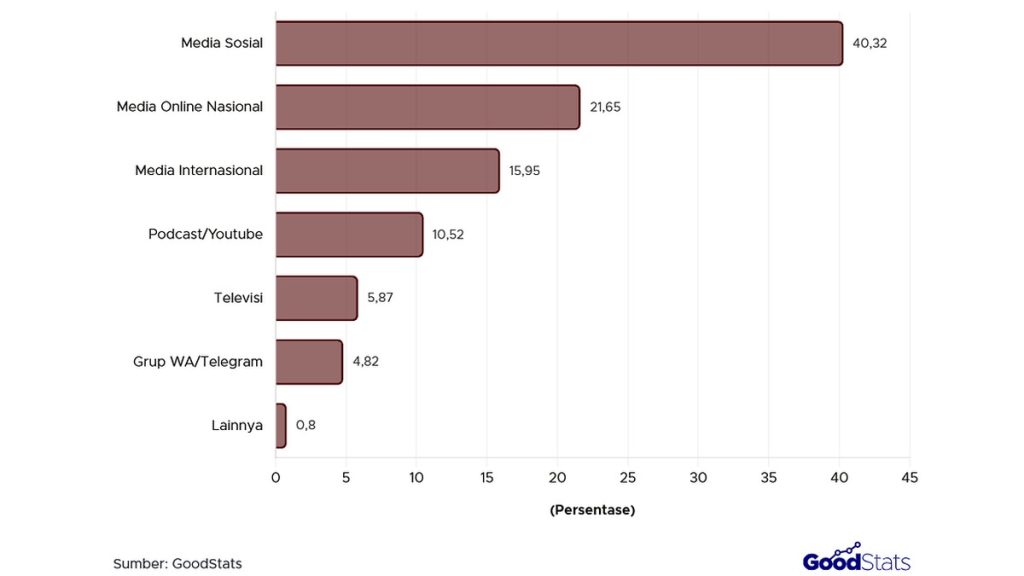
A survey that was done by GoodStats showed that the Indonesian public saw the news of the conflict from social media (40.32%), followed by national and international online news sites (21.65% on the former and 15.95% on the latter), and others, such as podcasts or YouTube content, TV, WhatsApp or Telegram group chats, and many more. It shows that, by relying on alternative sources of information, the Indonesian public began to use social media to broaden their perspectives on the current conflict.
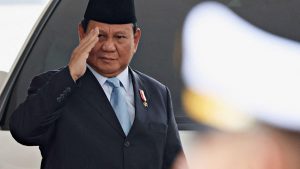
Thus, it was predictable that anger would follow President Prabowo’s intention to mediate the conflict, which provoked demonstrations of anti-American interventionism once again. It happened because of the popular narration that, because of Indonesia’s current membership in the Trump-led Board of Peace, Indonesia cannot become a free and active nation like it used to be, and therefore, was not capable of having trust between the two sides.
It was followed by an event of joint visitation and prayer to the house of Mohammad Boroujerdi, the Iranian ambassador to Indonesia, by the Indonesian people. In his remarks, he appreciated their demonstrations of condolences for the Supreme Leader’s death and promised that the Iranians would prevail through the current conflict.
But the purest form of solidarity from the Indonesian people was followed by disinformation on social media, the place where they gained their information. The boom regarding videos of missiles and infrastructure explosions later made narrations that were based on claims of military supremacy of one side over another. But the availability of Artificial Intelligence technology made things worse, with the team from Cek Fakta Tempo having released at least 18 articles that were fake news surrounding the US-Israel-Iran war, the majority of which used AI.
Besides military supremacy claims, there are also visuals of the alleged death of Israeli Prime Minister Benjamin Netanyahu, irrelevant clips of old videos, and even scenes of video games that were claimed as real battlefields. According to a report by the BBC, there are numerous examples of AI-generated videos and fabricated satellite imagery being used to make false and misleading claims about the conflict, which have collectively amassed hundreds of millions of views online.
These acts of deception were made because of propaganda and the campaign of each country’s influence. In the wake of the war, both Israel and Iran can produce deepfakes faster than in peaceful times. With direct support from the state, narration-making on social media becomes targeted and more specific. From the specification itself, most of the videos seen on social media have clear narration and are used to enforce their respective statements.
Therefore, to avoid such things from happening again, social media and AI companies should do more to identify false and misleading content so that any actors, even states, cannot spread misinformation and let the netizens and public as a whole see the conflict objectively, without deception and outright lies.
Baca juga
- Denial at the Top: Prabowo’s Rhetoric Is Making Indonesia’s Economic Crisis Worse
- “Prabowo Menjawab” dan Ujian Serius Industrialisasi di Tengah Ancaman Stabilitas Politik
- Ketika Kritikus Masuk Istana: Ujian bagi Perbedaan Pendapat
Tulisan ini adalah opini (Opini Sipil) dari mitra junior kami; teks dari dokumen penulis, gambar dari dokumen penulis.